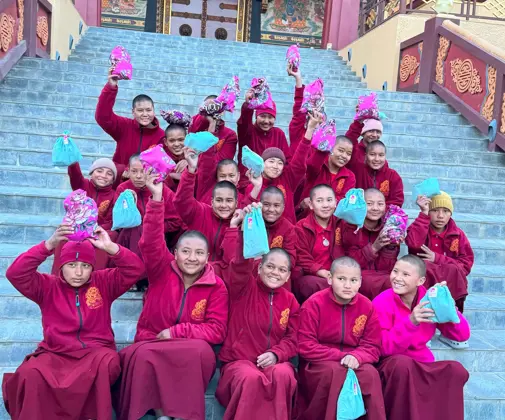

Drokpo Nepal conducted a psychoeducation program titled "Stress Management and Coping Strategies" at the Drokpo Nepal Office on Tuesday, 28th May 2019. The session was attended by 22 participants (11 males and 13 females) from Manjushree Community School, including students from classes 6 to 8 and two teachers. The workshop lasted for four hours, from 1:30 pm to 5:30 pm. Most participants were from Himalayan communities such as Sherpa, Tamang, and Hyolmo, with the majority residing in hostels.
Stress management and coping strategies are crucial for students as they can improve academic performance, participation in sports, and other activities, creating a more effective learning environment. Stress often arises from worry and anxiety caused by daily life pressures, and it can affect individuals physically, mentally, or emotionally.
Objectives:
- To provide psychoeducation to students.
- To help students manage their stress effectively.
- To raise awareness about how stress impacts daily life.
Methodologies Used:
The program focused on group discussions, interactive activities, and games related to stress management. Students were encouraged to actively participate, and PowerPoint presentations were used to keep the session engaging and informative.
Materials Used:
- PowerPoint presentations for better understanding.
- A whiteboard and marker during discussions.
- Feedback forms for each participant to share their thoughts.
- Video clips and mindfulness relaxation music to help calm and soothe the
participants.
- Notebooks and pencils were given as rewards to encourage participation.
Learning Outcomes:
Participants gained a better understanding of mental health and learned various
strategies to cope with stress, as well as how to support others in managing their stress.
Feedback:
Overall, participants enjoyed the workshop. They particularly appreciated the greeting games, explanations about stress, the balloon-bursting games, interactive discussions, and the meditation session. However, they suggested incorporating more visual aids in future sessions.
Challenges:
The room size was small, and the uncomfortable furniture affected the overall
experience.
Program Outcome:
The participants left with valuable knowledge about mental health, effective stress management techniques, and the importance of maintaining a positive attitude.
 Be a friend to the Himalayas


