

TOT Training: From Awareness to Action
Program Overview
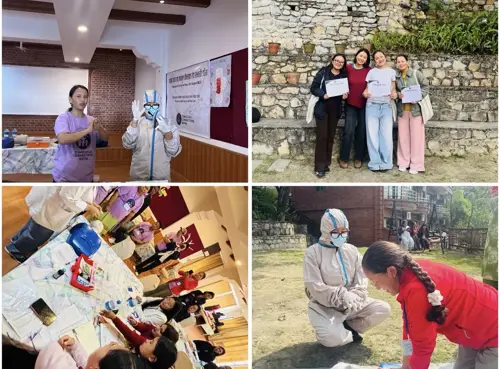
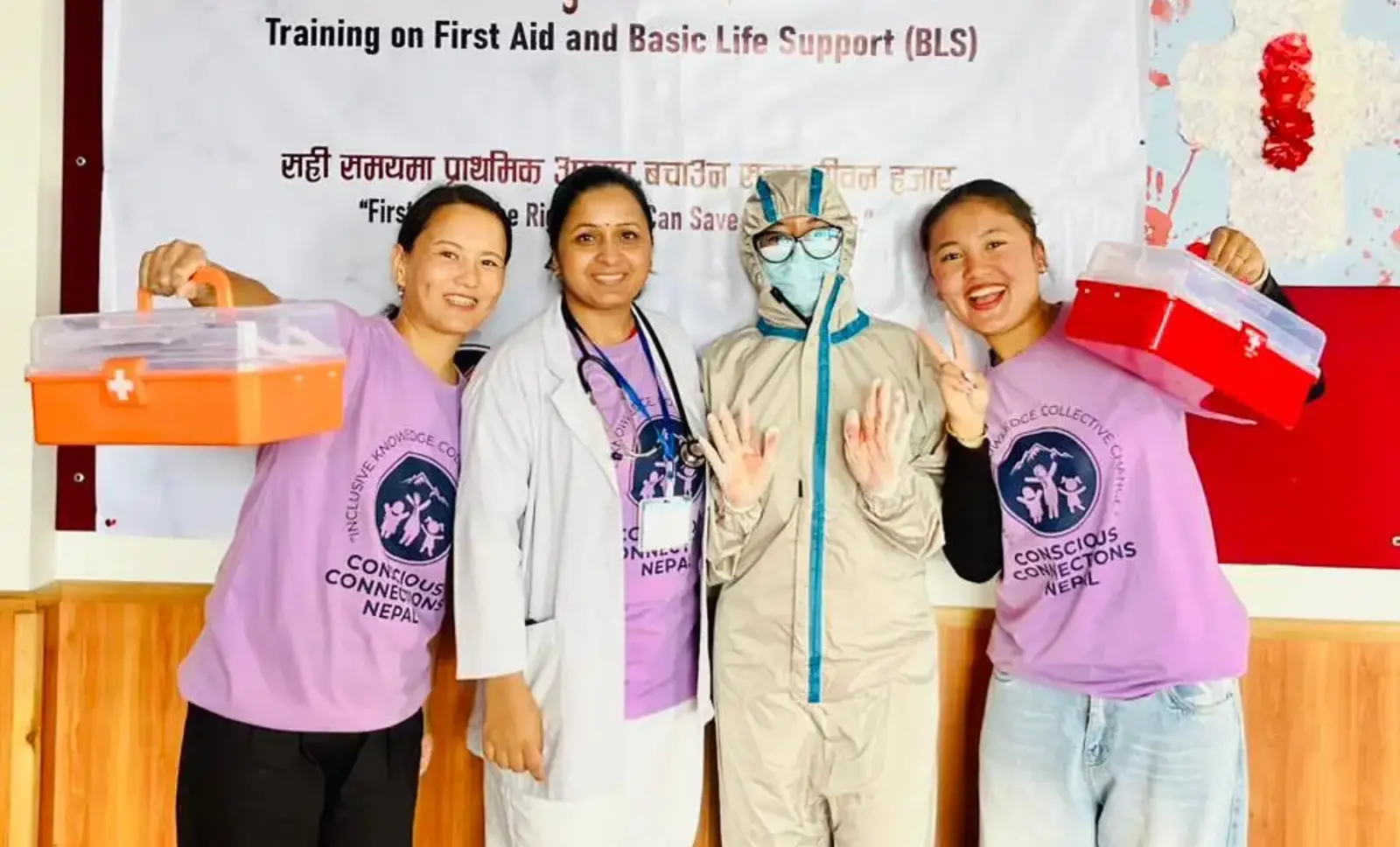
The Training of Trainers (TOT) under Conscious Connection Nepal was held from 22nd March to 26th March at Dulikhel Village Resort. This five-day residential training involved around 6–7 hours of intensive sessions each day, focusing on both theoretical and practical aspects. It covered a wide range of topics, including Sexual and Reproductive Health and Rights (SRHR), Menstrual Hygiene Management (MHM), and first aid training in the final two days.
Through various interactive methods such as group discussions, quiz competitions, role plays, and presentations, we explored the intersectional challenges faced by different communities, particularly in relation to menstrual hygiene and access to clean and dignified sanitation systems.
One of the most valuable aspects of the training was the opportunity to connect with participants from diverse regions, hills, mountains, and the Terai as well as those from Kathmandu like us. Listening to each other’s experiences helped us understand the different contextual realities surrounding menstrual taboos and socio-cultural stigmas. While Himalayan Buddhist communities may not strictly follow practices like Chhaupadi, they still face significant challenges in terms of access to menstrual products and proper sanitation facilities.
Overall, the sessions were very comprehensive and easy to follow, combining learning with engaging and interactive approaches. During the last two days, we focused on first aid training, where we explored different emergency responses through a mix of ICT-based learning, role play, and group activities.
The major first aid topics covered included:
A) Respiratory emergencies
B) Bleeding
C) Bone, joint, and muscle injuries
D) Medical emergencies
E) Environmental and special conditions such as animal bites and heat exhaustion
In the end, the training was not just a one-way transfer of knowledge. It became a space where we learned and unlearned many traditional practices we had been following in emergency situations. Many participants shared how insightful the sessions were and how closely they relate to our everyday lives and the risks we encounter.
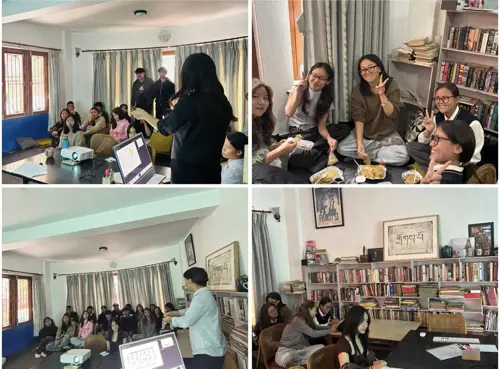
Just two weeks after completing the Training of Trainers (ToT), we facilitate learning into action by giving basic first aid knowledge directly to young people in our community.
On April 10, 2026, we conducted a basic first aid session with Grade 11 and 12 students from Manjugosha School in Kathmandu. What was initially planned as a basic introduction quickly transformed into a highly engaging and reflective learning space. Over the course of three hours, students actively participated in discussions, shared personal experiences, and questioned long-held beliefs about emergency response.
One of the most powerful outcomes of the session was the shift in mindset. Many students realized that common practices they had grown up with were not only ineffective but sometimes harmful. For instance, the widely believed practice of sucking out poison from a snake bite was critically examined and replaced with correct, evidence-based first aid responses.
Students described the session as “life-changing” and “eye-opening,” highlighting how it strengthened their confidence to respond to emergencies with clarity and scientific understanding.
This immediate application of ToT learning demonstrates the ripple effect of capacity building where one training empowers young leaders to influence many others. By equipping youth with accurate knowledge and practical skills, we are fostering a generation that is better prepared, more aware, and capable of making informed decisions in critical moments.
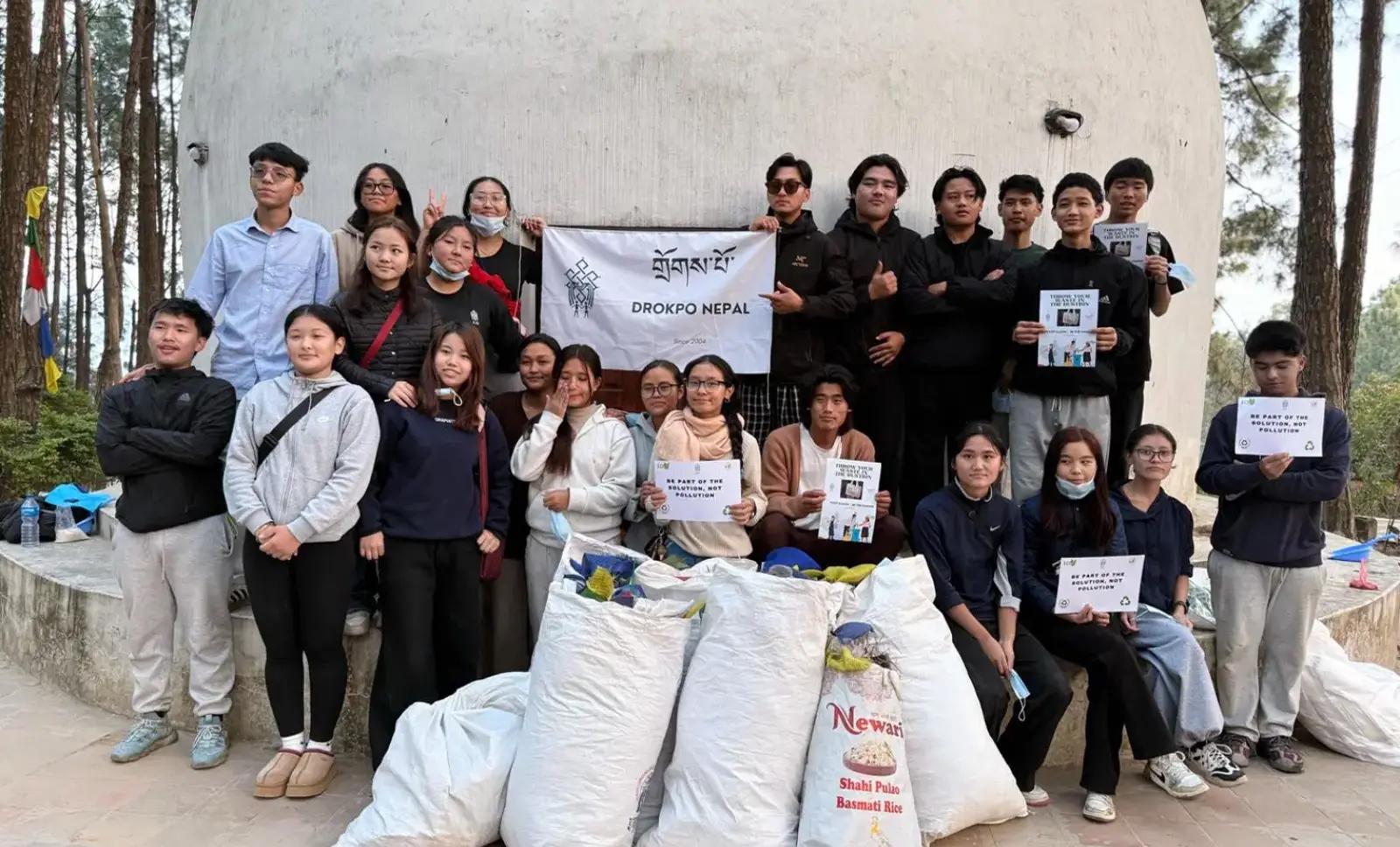

 Be a friend to the Himalayas
